

tempered glass sheets
Understanding the 24% Butterfly Valve A Comprehensive Overview Butterfly valves are a vital component in various industrial applications, acting as a quick and cost-effective method for controlling flow. Among these, the 24% butterfly valve stands out due to its unique design and capabilities, catering to specific operational needs in diverse sectors such as water treatment, oil and gas, and chemical processing. What is a Butterfly Valve? A butterfly valve is a quarter-turn rotational valve that uses a circular disc or butterfly to regulate flow. When the valve handle is turned 90 degrees, the disc opens or closes the flow through the pipe. The simplicity of its design enables rapid movement, making it ideal for applications that require quick and frequent operation. The 24% Butterfly Valve Features and Applications The term 24% butterfly valve generally refers to valves with specific characteristics—perhaps relating to their size, flow coefficient, or the degree of opening associated with control applications. Designing a valve that functions effectively in this range involves balancing several factors, including size, materials, and pressure capabilities. 1. Size and Design The 24% butterfly valve is designed to fit specific pipeline dimensions, making it versatile for multiple installations. Its compact build ensures that it fits well in tight spaces, which is often a necessity in industrial setups. 2. Flow Control Efficiency The design of the butterfly valve allows for a consistent and reliable control of flow rates. It can manage a 24% opening effectively, providing operators with the ability to fine-tune flow as needed. This level of control proves essential in applications where maintaining equilibrium is critical, such as in chemical mixing processes. 3. Materials Butterfly valves are constructed from various materials, including stainless steel, cast iron, and plastic, depending on the application. For high-corrosive environments, stainless steel is preferable, whereas, for less demanding situations, cast iron or plastic may be used to reduce costs. The choice of material also affects durability and maintenance requirements. 24 butterfly valve 4. Applications The versatility of the 24% butterfly valve finds it utilized in several fields - Water Treating Facilities In these plants, the valve plays a crucial role in the flow regulation of water being treated to ensure optimal operations. - Oil and Gas These valves can handle different types of fluids and gas, making them integral in pipelines and processing facilities. - Chemical Industries Here, accuracy is paramount, and the ability to maintain specific flow ratios with valves like the 24% butterfly valve enhances operational efficiency. Advantages of the 24% Butterfly Valve 1. Cost-Effectiveness Compared to other types of valves, butterfly valves are often more affordable to purchase and install, especially when dealing with larger pipeline systems. 2. Compact Size The design of butterfly valves allows for less space to be required in comparison to traditional gate or globe valves, which can be advantageous in limited areas. 3. Quick Operation The quarter-turn mechanism enables swift adjustments, ideal for operations requiring rapid on/off control. 4. Less Turbulence When fully open, the disc shape of the butterfly valve creates minimal obstruction, resulting in lower pressure drops and improved flow efficiency. Considerations Before Installation Before selecting a 24% butterfly valve, several factors must be considered, including - Operating Pressure and Temperature Understand the conditions under which the valve will work. - Fluid Characteristics The type of fluid, its viscosity, and corrosiveness can influence material choices. - Installation Environment Ensure that environmental factors, such as potential for freezing or exposure to hazardous materials, are taken into account. Conclusion The 24% butterfly valve serves as a reliable and efficient option for flow control in various industrial applications. With its compact design, cost-efficiency, and quick operation, it is a preferred choice for many system operators looking to optimize their operations. As industries continue to evolve, the butterfly valve will likely remain an integral component in fluid control solutions. Understanding its features, applications, and advantages is critical for those involved in engineering and maintenance within these sectors.
about
tempered glass sheets
Understanding Metal Marking Gauges Precision in Industrial Artistry In the world of metalworking, precision is paramount. One essential tool that ensures this level of accuracy is the metal marking gauge. This device, often overlooked, plays a critical role in various metal fabrication processes, serving as a benchmark for measurement and a guide for marking out patterns or cuts. A metal marking gauge, unlike its woodworking counterpart, is specifically designed to work with harder materials like steel, aluminum, or titanium. It's a testament to the adaptability of human ingenuity that such a tool has been crafted to withstand the rigors of metalwork. The 'marking gauge' part of its name refers to its primary function - leaving a visible line on the metal surface, which acts as a reference point for subsequent operations. The metal marking gauge typically consists of a sturdy body made from durable materials, often steel or cast iron, with a sliding arm and a sharp pin or scriber at one end. The pin, when set to a specific measurement, is used to scribe lines onto the metal surface. The user can adjust the gauge according to the required measurement, ensuring consistent and precise markings every time. The marking gauge's importance lies not just in its ability to create accurate marks but also in its capacity to maintain consistency throughout a project. In metal fabrication, where even a fraction of a millimeter can make a significant difference, this tool becomes invaluable In metal fabrication, where even a fraction of a millimeter can make a significant difference, this tool becomes invaluable In metal fabrication, where even a fraction of a millimeter can make a significant difference, this tool becomes invaluable In metal fabrication, where even a fraction of a millimeter can make a significant difference, this tool becomes invaluable metal marking gauge . It reduces errors, enhances efficiency, and ultimately, contributes to the overall quality of the finished product. Moreover, the metal marking gauge is not limited to straight lines; it can also be used to mark arcs and angles, making it versatile in its application. From welding and machining to engraving and patterning, this humble tool finds its place in numerous metalworking disciplines. In conclusion, the metal marking gauge is more than just a piece of equipment; it's a symbol of precision and craftsmanship. Its significance underscores the value placed on accuracy in the metalworking industry. As technology advances, newer tools may emerge, but the fundamental principle of the metal marking gauge – to provide an exact reference for cutting, shaping, or drilling – will remain unchanged. It's a testament to the enduring nature of traditional tools in a rapidly evolving industry. After all, in the hands of a skilled artisan, a metal marking gauge can turn raw metal into a masterpiece.
-

High quality industrial productsagement

High quality industrial products
View Details -

Meet the diverse needs of customers

Meet the diverse needs of customers
View Details -

Strict quality control

Strict quality control
View Details -

Top raw materials

Top raw materials
View Details -

Trusted supplier

Trusted supplier
View Details
Our application
news and information
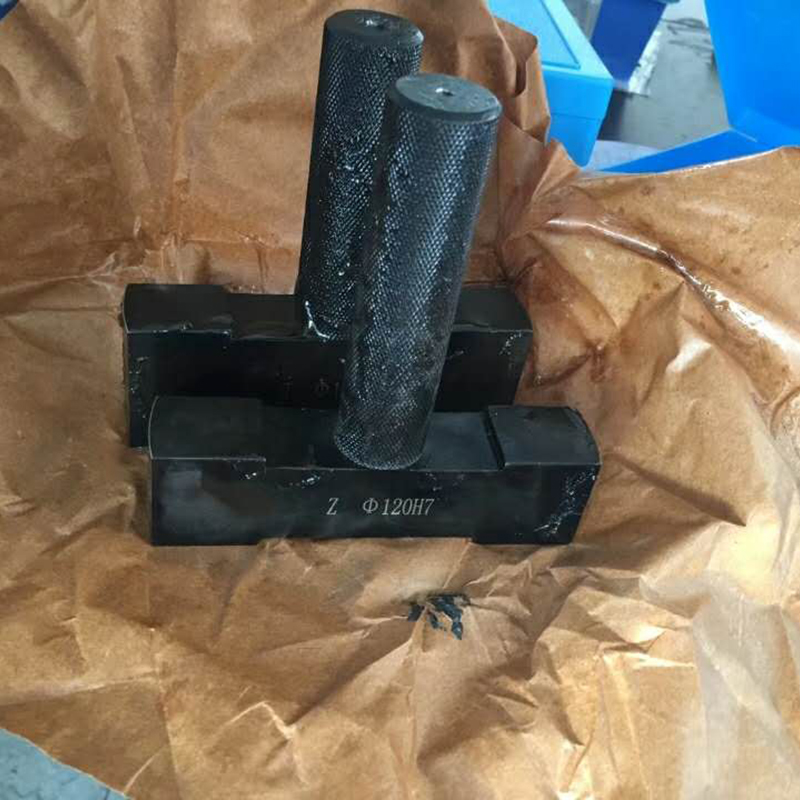
Van bướm 6 inch chất lượng cao cho hệ thống ống nước
Van bướm 6 inch Giải pháp hoàn hảo cho hệ thống ống dẫn Trong ngành công nghiệp hiện đại, việc quản
Welding Fabrication Services _ Precision Welding & Custom Fabrication
Understanding Welding and Fabrication A Comprehensive Overview Welding and fabrication are critical
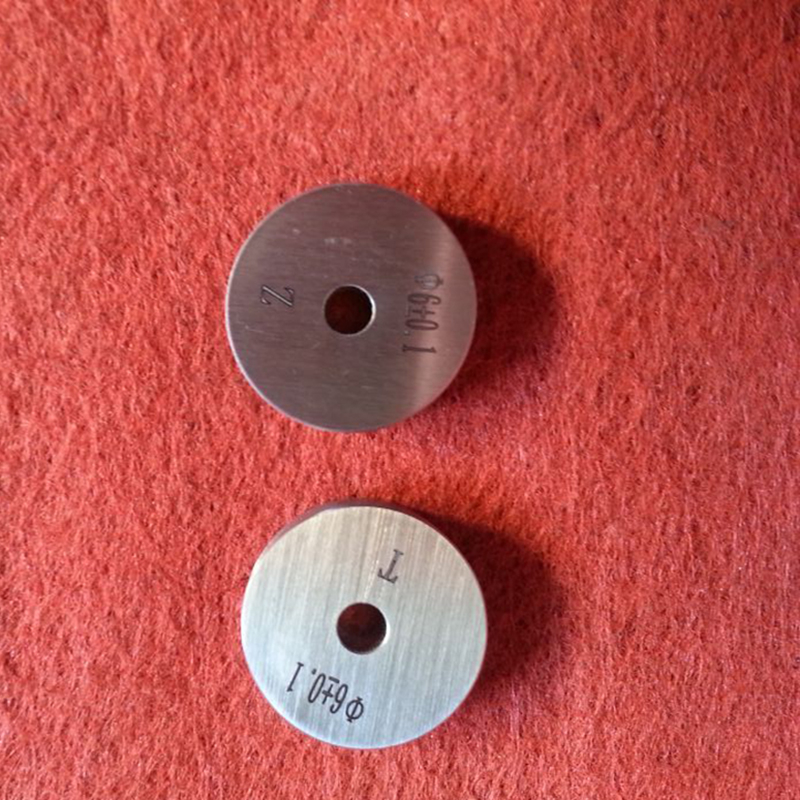
Válvula de puerta de 3 cuchillos
La válvula de compuerta de cuchilla al 3% es un componente esencial en muchos sistemas industriales
 English